Download Mendeley
Conserved and divergent mitochondrial assemblies in kinetoplastid parasites.
Solayman, M., Liao, Y.T., Calvo, S.E., Vacas, A.F., Papanastasiou, M., Rivera, K.D., Mani, D.R., Boyle, B.W., Deng, F.G., Udeshi, N.D., Mootha, V.K., Aphasizheva, I., Chao, L.H., Aphasizhev, R.(2026) Mol Cell 86: 4043
- PubMed: 42822418 Search on PubMedSearch on PubMed Central
- DOI: https://doi.org/10.1016/j.molcel.2026.08.031
- Primary Citation Related Structures:
9Z9K, 9ZAK, 9ZB4, 9ZC4, 9ZC5 - PubMed Abstract:
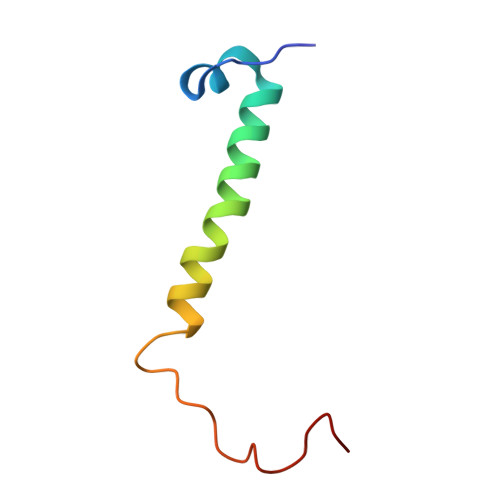
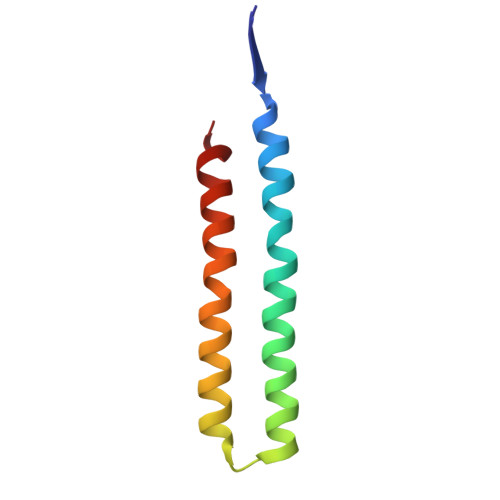
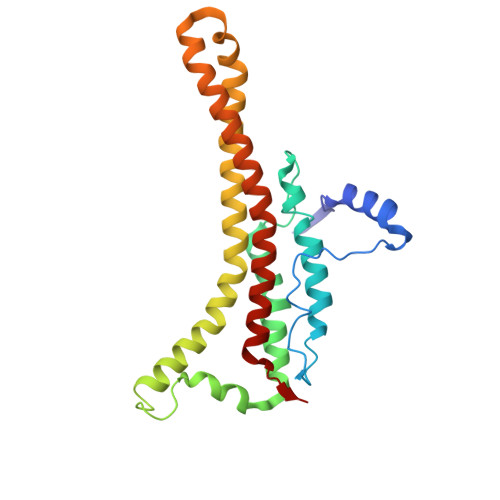
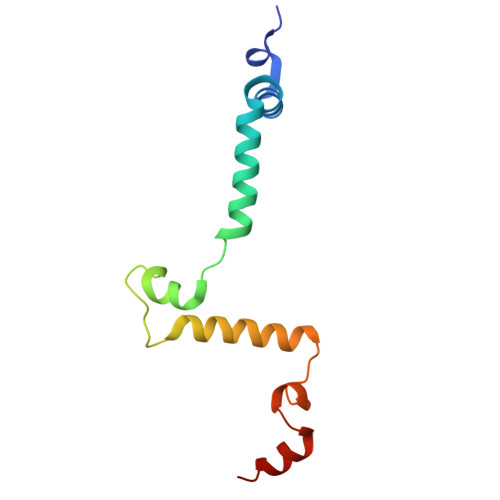
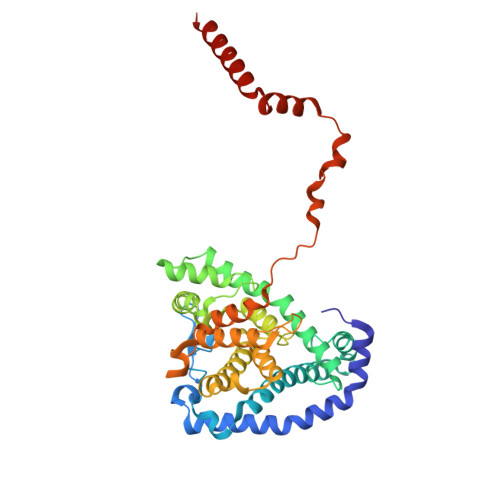
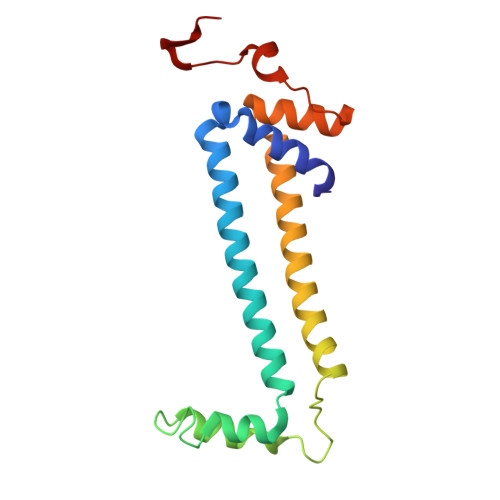
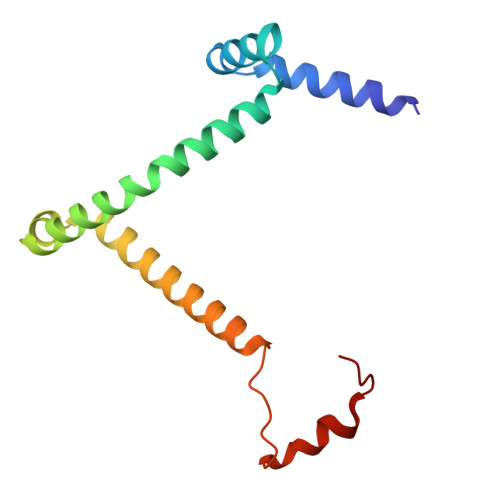
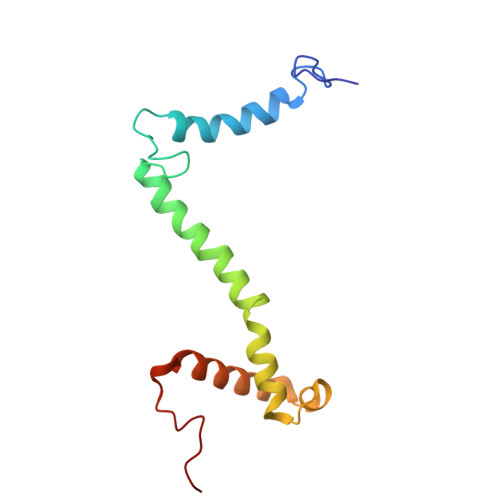
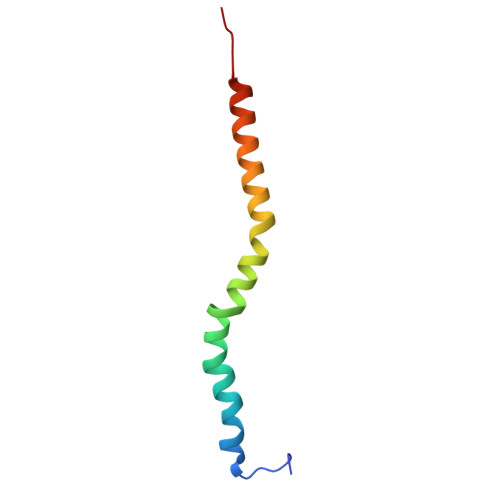
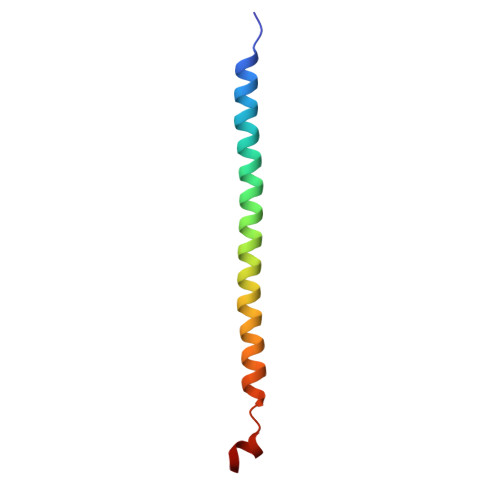
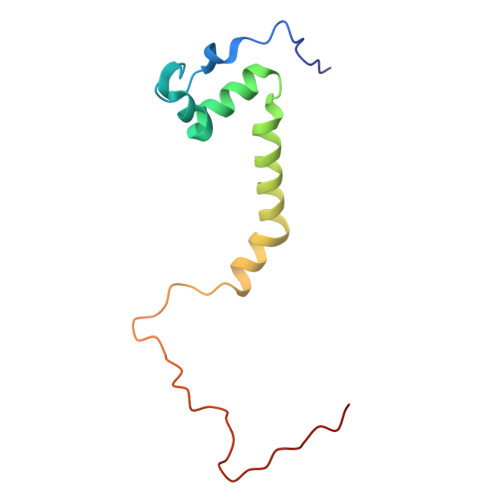
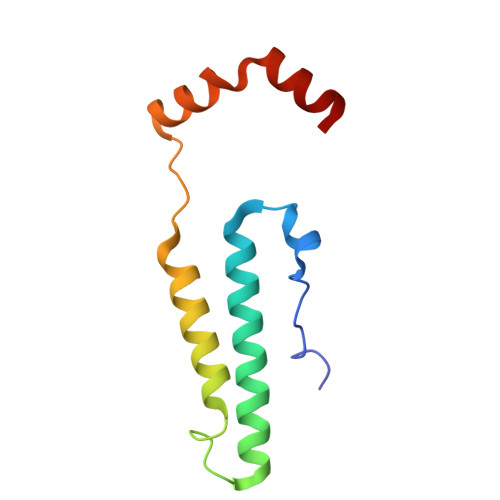
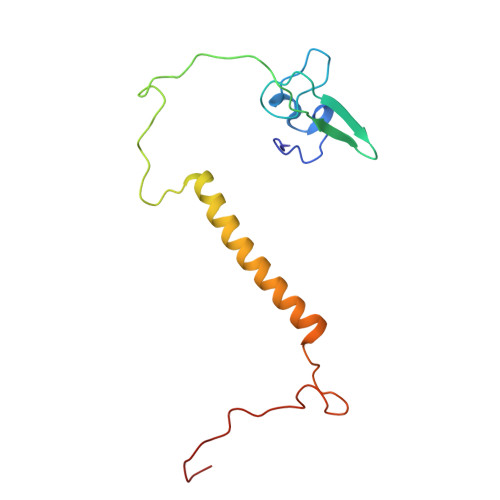
The mitochondrial proteomes of Leishmania tarentolae and Trypanosoma brucei contain ∼1,700 proteins, most of which lack homologs in higher eukaryotes. Here, we integrate complexome profiling and cryo-electron microscopy to define conserved and lineage-specific macromolecular assemblies that support mitochondrial functions in these kinetoplastid protozoa. Comparative analyses reveal species- and life-stage-dependent differences in the abundance and composition of respiratory, metabolic, RNA processing, and other complexes, refining and expanding current annotations. Structures of L. tarentolae respiratory complex III 2 (CIII 2 ), complex IV 2 (CIV 2 ), and complex V (CV) identify nine previously unrecognized nuclear-encoded subunits and resolve five mitochondrially encoded proteins, including products of pan-edited mRNAs. These reconstructions uncover architectural innovations: a subunit 8 of ubiquinol cytochrome-c reductase (QCR8) N-terminal extension that plugs the vestigial mitochondrial processing peptidase (MPP)α/β cavity in CIII 2 , a CIV 2 dimer stabilized by an extensive clade-restricted interface, and a CV dimer containing the mitochondrially encoded ATP6 subunit. Together, our findings reveal how kinetoplastids assemble specialized mitochondrial machinery while incorporating diverged components into core modules shared across eukaryotes.
- Department of Molecular and Cell Biology, Boston University Medical Campus, Boston, MA 02118, USA.
Organizational Affiliation: